How to Follow Up on an Estimate Without Being Pushy: A Practical Guide for Local Service Businesses
Learn how to professionally and effectively follow up on estimates without annoying potential clients. This guide offers a practical timeline and example messages to help local service businesses maintain good communication and increase conversion rates.
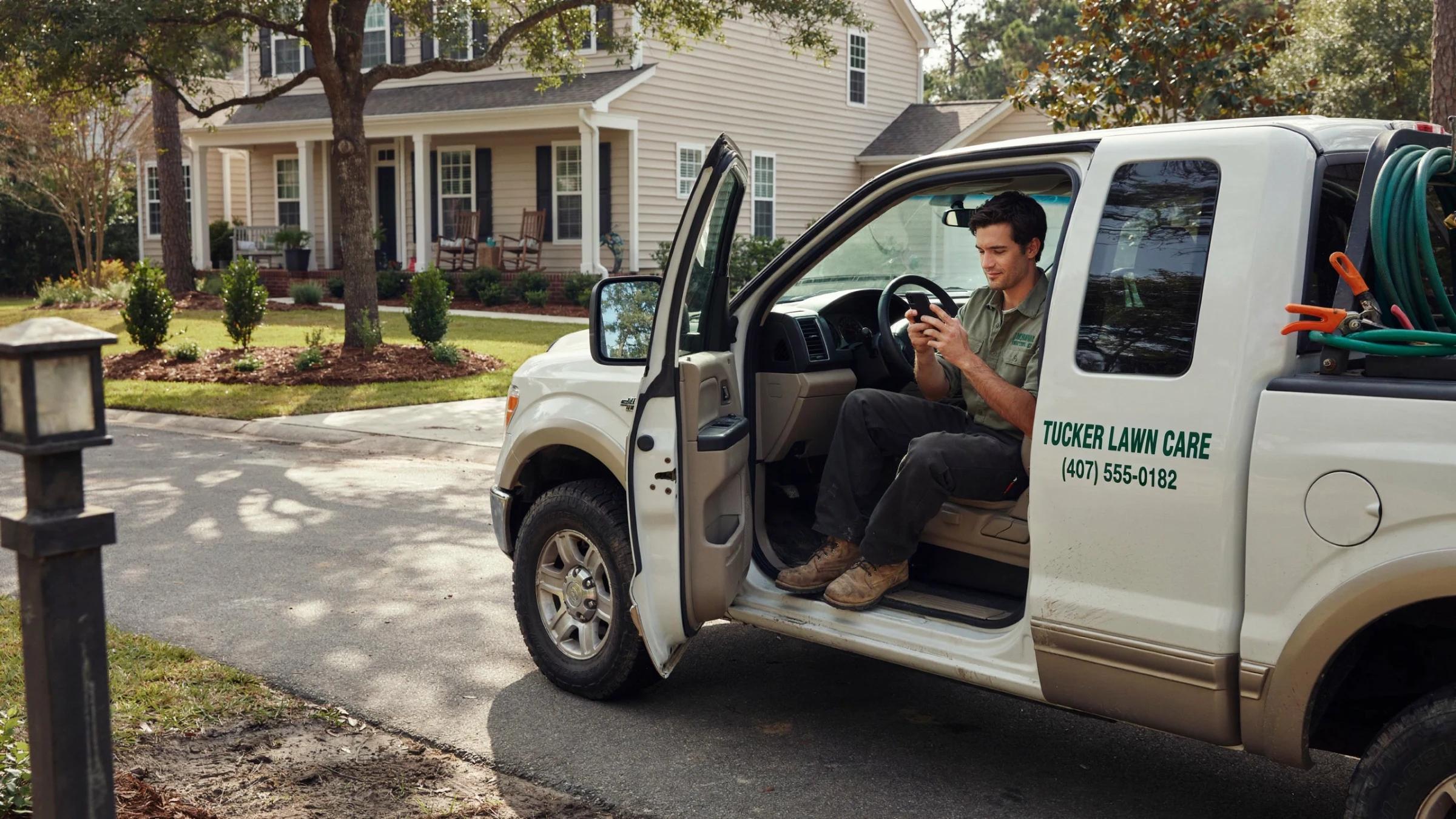
For local service business owners, sending out an estimate is often only half the battle. The follow-up phase can make a significant difference in turning a potential lead into a paying customer. However, many entrepreneurs struggle with finding the right balance between being attentive and coming across as pushy. Following up too aggressively can alienate prospects, while waiting too long or neglecting follow-up can lead to missed opportunities. This guide aims to provide practical advice on how to follow up on estimates effectively without pressuring your potential clients. We will outline a suggested timeline for follow-ups, explore key principles behind polite communication, and provide example messages to help you craft your approach. By applying these strategies, local service businesses can maintain strong customer relationships and increase their chances of closing deals, all while preserving professionalism and respect for the client's decision-making process.
Understanding Why Follow-Up Matters
Following up after sending an estimate is a critical step in the sales process for any local service business. It shows professionalism, signals your continued interest, and helps ensure that your estimate doesn’t get lost in the shuffle of a prospect's busy day. Many businesses underestimate the impact of follow-up, assuming that clients will reach back if they’re interested. In reality, a timely and thoughtful follow-up can clarify uncertainties, answer questions, and gently remind prospects about your services, increasing the likelihood of securing the job.
Effective follow-up also strengthens your relationship with potential customers by demonstrating your commitment and responsiveness. It reassures them that you value their business, which can differentiate your company from competitors who may neglect this step. By establishing open communication channels early, you build trust and make clients feel more comfortable moving forward with your service. This foundation is especially crucial in local markets where reputation and personal connections are highly influential.
Establishing a Follow-Up Timeline That Respects Your Prospects
Creating a follow-up timeline is essential to ensure your communications are timely and well-spaced. Immediately after sending your estimate, it’s good practice to allow the prospect some time to review the details, so avoid following up the same day or within a few hours. Generally, waiting 2 to 3 business days before the first follow-up provides a respectful window that balances patience with attentiveness. This initial message can reaffirm your availability to discuss the estimate and invite questions.
If you don’t receive a response to your first follow-up, plan a second message about one week later. This helps maintain your presence without overwhelming the prospect. Should this also go unanswered, a final follow-up about a week after the second one signals your continued interest without appearing desperate. Beyond this point, it’s often best to pause and await the client’s initiation to avoid negative impressions. Structuring your follow-ups with clear spacing prevents irritation and shows that you respect the prospect’s time and decision-making process.